


Golf Club Anatomy is a vital component of modern golf performance, equipment optimization, and on-course scoring strategy. Understanding the underlying mechanics, ball flight laws, and physical feedback of golf club anatomy allows players to reduce score variance and optimize swing repeatability.
Welcome to your definitive Golf Club Parts Guide: Understanding the Anatomy of Your Clubs. Whether you’re a seasoned player or just beginning your journey on the greens, grasping the intricacies of your clubs can significantly enhance your game. Each component—from the grip to the shaft to the head—plays a crucial role in performance, affecting everything from your swing to your shot accuracy. Join us as we break down the essential parts of golf clubs, demystifying their functions and helping you make informed choices for your golfing arsenal.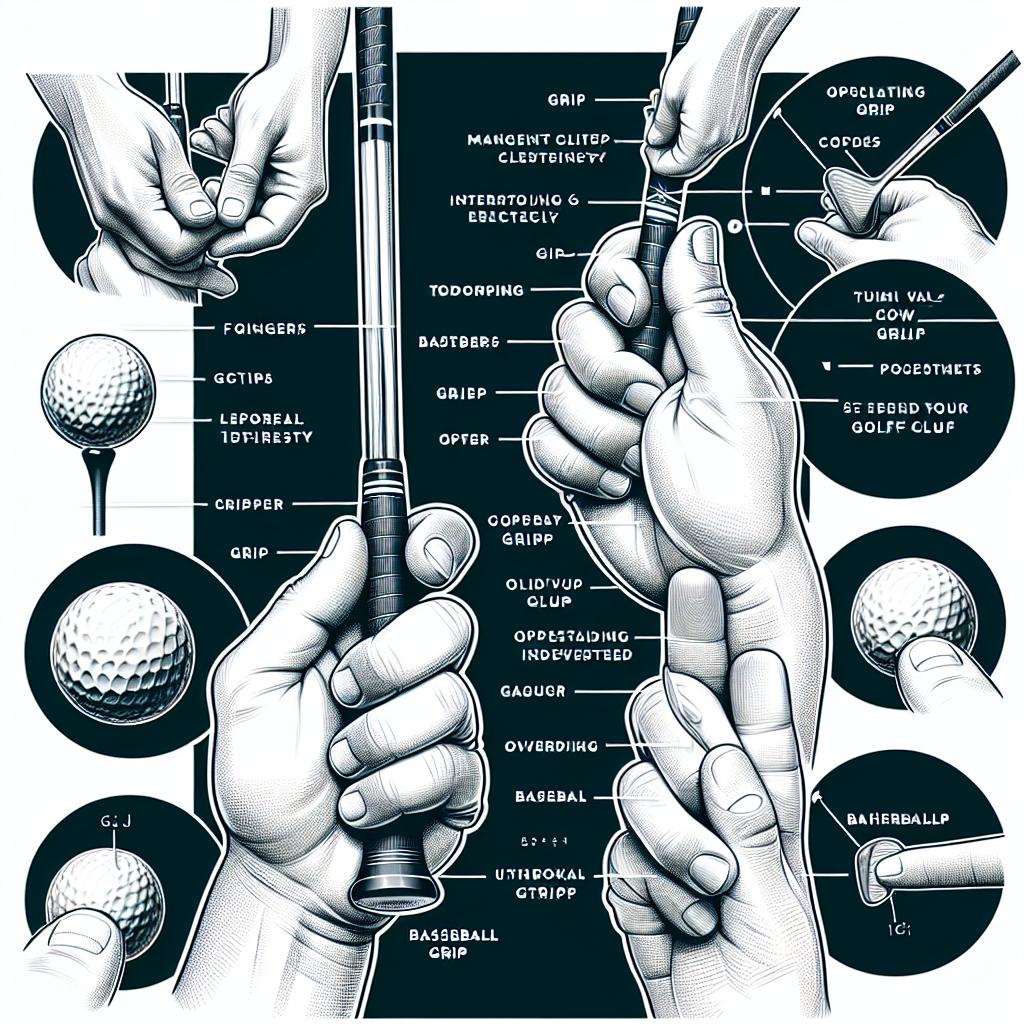
Understanding the Golf Club Grip
The grip on your golf club is like the handshake at a first meeting—it’s your initial connection and sets the tone for the relationship that follows. A poor grip can lead to mishits, slices, and possibly that embarrassing moment when you’re looking for your ball in the bushes instead of on the fairway. The grip is your only contact point with the club, so getting it right is essential. It’s not just about holding on tight; it’s about finding the right balance between control and flexibility.
Why a Good Grip Matters
Having a solid grip means you’ll swing with confidence. Think about it: if you’re carrying a plate of grandma’s famous spaghetti, you wouldn’t want it slipping out of your hands at the first bump in the road, would you? Similarly, a good grip keeps your club firmly in place, allowing for a consistent stroke.
Here’s what you should consider for a fantastic grip:
- Pressure: Don’t hold it like you’re trying to shake juice from a lemon. A comfortable grip pressure helps maintain control without tensing up those important forearm muscles.
- Alignment: Your hands should be lined up correctly. Typically, your left hand (for a right-handed golfer) should have a “V” shape pointing towards your right shoulder.
- Grip Type: There are mostly three types of grips—the overlapping grip (think a gentle Olympic hug), interlocking grip (like a secret handshake with your pinky), and the ten-finger grip (just like holding a baseball bat). Each has its benefits depending on your hand size and personal preference.
Finding What Works for You
Now, this is where the fun begins! Everyone’s hands are different. Imagine trying to fit your Aunt Pat’s giant hands into the gloves of your little brother—it just isn’t going to work. When experimenting with grips, ensure that it feels natural; you should be able to close your eyes and visualize the perfect shot.
You might also want to consider the grip size. A grip that’s too small can cause excess tension, while a large grip might hinder your control. Opt for what feels like a glove that fits just right. Most golf stores allow you to test out grips, and if nearby, a pro shop might even offer free advice coupled with a cup of iced tea—much like chatting with your neighbor while fixing the fence.
| Grip Type | Benefit | Best For |
|---|---|---|
| Overlapping | Stability and control | Players with larger hands |
| Interlocking | Better for smaller hands | Beginners or those with wrist issues |
| Ten-Finger | Great power for distance | Power hitters |
In short, the key to mastering your golf game lies in the firm embrace of those grips! So, whether you’re pulling on your fancy new golf gloves or just holding the club barehanded, take a moment to appreciate this often-overlooked part of your golfing arsenal. Remember, a relaxed hand leads to a smooth swing—almost like a good cup of coffee on a Sunday morning: comforting and invigorating. Cheers to a better grip on your game!
Exploring the Shaft and Flexibility
The shaft of a golf club is like the bridge between you and that little white ball. It essentially transfers the energy from your body to the clubhead and ultimately to the golf ball. Think of it this way: without a solid shaft, your swing could end up resembling a wobbly noodle instead of a powerful zinger down the fairway. Beyond simply being a rod of steel or graphite, the shaft plays a vital role in your game – affecting your consistency, accuracy, and the overall feel during your swing.
Understanding the Role of the Shaft
When it comes to the flexibility of the shaft, it’s all about finding that sweet spot. The shaft’s flexibility, or “flex” level, essentially denotes how much it bends during your swing. Shafts are typically designated as stiff, regular, senior, or ladies flex. This classification is not merely jargon thrown around by club fitters; it actually influences how the club interacts with your swing. For example:
- Stiff Flex: Ideal for players with faster swing speeds, it offers less bend, enhancing accuracy.
- Regular Flex: Perfect for the average club golfer, it balances distance and control.
- Senior/Ladies Flex: This is more flexible, aiding those with slower swing speeds for better launch.
Imagine trying to throw a super stretchy rubber band versus a tight one – the former can launch far but might lack accuracy, while the latter sends a laser straight down range.
The Art of Finding Your Perfect Match
Determining the right shaft for your game can feel a bit like dating. You might go through a few ‘relationships’ with different clubs and shafts before finding that perfect fit. There’s ongoing research in the golfing community, showing that getting the right shaft can improve your scores significantly. Statistical models indicate that a player who uses the appropriate flex can see improvements in their average distance by 5 to 10 yards. Pretty impressive, right?
When shopping for clubs, consider a few tips to help make that decision:
- Demo Days: Many golf stores host demo days where you can try before you buy. Swing away like it’s a karaoke night; don’t be shy!
- Swing Speed Measurement: Some shops have tools to measure your swing speed. It’s a good conversation starter too!
- Consult a Pro: Golf instructors can provide insights into the right flex that matches not just your swing speed, but also your swing style.
Getting your shaft fit right can feel like searching for the Holy Grail, but trust me, it’s worth the quest. You’ll find your game improving and your swings feeling more fluid than ever, allowing you to focus on making that crucial putt instead of hoping you don’t end up in the sand trap again!
Decoding the Clubhead Design
The clubhead is where the magic happens in golf, and understanding its design can significantly influence your game. Think of it as the engine of your golf club—without it running smoothly, you’re not going to get too far down the fairway! The clubhead not only determines how your club interacts with the ball but also affects your trajectory, distance, and ultimately your score. With so many styles and shapes out there, let’s decode the ins and outs of clubhead design to give you an edge on the course.
Key Components of Clubhead Design
Clubheads come in various materials and constructions, which directly influence performance. Here are the main features you’ll want to look out for:
- Material: Most clubheads are made from metals like stainless steel, titanium, or even composite materials. Each material contributes differently to the weight, durability, and performance. For example, titanium is lighter and allows for more weight distribution, leading to faster swing speeds.
- Weight Distribution: The design can vary, with some heads having a weighted perimeter (think of it as a pizza with all the toppings on the crust) that enhances forgiveness on off-center hits. This is crucial for maintaining accuracy, especially if you tend to slice or hook the ball more often than not.
- Loft and Face Angle: The loft is the angle of the face relative to the ground. A higher loft can help launch the ball into the air, much like a catapult sending its payload across a castle moat. Understanding how loft affects trajectory and distance can truly elevate your game.
- Center of Gravity (CG): The position of the CG affects how the clubhead performs during impact. A lower CG helps in getting the ball airborne, while a higher CG can lend more workability to your shots.
Shapes and Styles
When it comes to clubhead shapes, variety is the name of the game! Here are a few common styles:
- Blade: This classic design tends to be more compact and is favored by better players for its workability. Blades are like fine wine; they take a bit of finesse to master, but once you get the hang of it, they can deliver exquisite results.
- Cavity Back: With a larger clubhead and perimeter weighting, cavity backs offer forgiveness that even the most ambitious hacker can appreciate. It’s like having a safety net in a circus act—just in case your timing goes awry!
- Hybrid/Utility: These clubs combine the characteristics of both woods and irons, making them versatile tools for a range of distances. Think of them as the Swiss Army knives of the golf world; they can tackle just about any situation on the course!
Future Trends and Innovations
The golf industry is continually evolving, with technology pushing the boundaries of what clubs can do. Here are a few trends that are changing the game:
| Trend | Description |
|——————–|———————————————————————-|
| Adjustable Weights | Some clubs now come with adjustable weights, allowing golfers to customize swing characteristics. This can be a game-changer for anyone looking to dial in their performance! |
| Enhanced Aerodynamics| New shapes designed for less drag can help increase swing speed. Discovering the latest aerodynamic designs is like finding a shortcut to the 19th hole – a welcome surprise! |
| 3D Printing Technology | This tech is making a buzz in the industry, potentially allowing for personalized clubheads that cater to individual swing mechanics. Personalization is trending, and it’s not just about trendy golf shirts anymore! |
the intricacies of clubhead design can greatly influence how you play. Understanding these elements empowers you to make informed choices about your clubs, helping you lower your scores and enjoy the game even more. Whether you’re busting out a blade for that tight pin or relying on a forgiving cavity back when the pressure’s on, choosing the right clubhead can feel like having a trusty buddy by your side on the course. So, the next time you’re standing on the tee, take a moment to appreciate the magic behind that seemingly simple piece of equipment—your clubhead!
The Importance of the Loft Angle
The loft angle of a golf club can be something as misunderstood as a cat on a leashed walk—sometimes you just don’t know where it will end up. This seemingly minor specification significantly impacts your game. Ranging from 4 degrees for low-lofted drivers to 64 degrees for specialty wedges, the loft angle affects trajectory, distance, and control. Imagine your shots as a rollercoaster ride: the loft angle tweaks the twist and turns, pushing your ball to soar over obstacles or plummet with a trusty drop. Understanding the loft angle is key to choosing the right club for different situations on the course.
Factors That Influence Loft Angle
The loft angle isn’t just a random number cranked out by a robot in a factory; it is meticulously crafted and influenced by several factors. These include:
- Type of Club: Drivers typically have lower lofts, while wedges boast higher lofts for better control and precision.
- Player Skill Level: The loft angle can cater to beginners who benefit from more forgiveness with higher lofts—less chance of slicing the ball like a pro!
- Playing Conditions: Consider the weather and terrain—an uphill lie might warrant a club with more loft compared to a flat, dry course.
Additionally, many golfers often overlook the importance of dynamic loft. This refers to the angle the clubface presents the ball at impact, influenced by your stance, swing path, and other variables. Think of it as the difference between a squished pancake and a fluffy soufflé; while they’re both breakfast, each serves a different purpose!
The Effects of Loft Angle on Performance
So, how does this magical number affect your shots? It’s time to break it down into digestible bits!
| Loft Angle (Degrees) | Typical Club | Expected Ball Flight |
|---|---|---|
| 8-12 | Drivers | Low Launch, More Roll |
| 10-15 | Fairway Woods | Mid Launch, Balanced Distance |
| 45-56 | Wedges | High Launch, Steep Descent |
As you can see, the loft angle determines how high the ball will rise and how far it will glide. Low-lofted clubs give you amazing distance but can leave you scrambling when that pesky sand trap appears. On the other hand, high-lofted clubs can help you land that ball softly onto the green but will fall a bit short on your par-5 approach. The secret? Find the balance.
Don’t forget, adjusting your stance and hand position at address can alter the effective loft as well. Try envisioning it like a dance—different styles require different moves to make it flow! Consider a club fitting session or hitting a range to figure out what loft works best for your swing, swing speed, and overall style. Knowing how loft affects your performance allows you to make informed decisions, helping you select the perfect club for each shot—and get that much closer to your next birdie!
Analyzing the Face of the Club
Understanding the intricate details of your golf club can feel a bit like trying to decode a secret language — one that determines whether your ball sails gracefully through the air or takes a nosedive into the nearest sand trap. Each part of the club plays a pivotal role in your performance, and recognizing these components can give you the edge you need on the course. Let’s dive into the anatomy of a club, shedding light on its face and unveiling its mysteries, one swing at a time.
The Importance of the Clubface
The clubface is often likened to the business end of the club — it’s where the magic happens. The interaction between the clubface and the ball can boost your confidence or send you spiraling (literally, if you’ve ever experienced a slice). The face is the flat surface that strikes the ball, and its angle can drastically influence your shot trajectory and distance.
When you hit the ball, the angle at which the face strikes it — known as the loft — can mean the difference between landing on the green or taking an unintended swim. A higher loft gives the ball a greater launch angle, ideal for those elevated greens or trying to escape a bunker like a hero in slow motion. In contrast, a lower loft can promote a more penetrating ball flight — advantageous when you’re trying to cut through a relentless wind.
Most modern clubfaces are crafted from innovative materials that enhance performance, including titanium, steel, and various composites. Each material has its pros and cons, akin to measuring the benefits of a Saturday morning round with your buddies versus a cozy day in front of the TV.
Here’s a quick look at some common materials:
| Material | Benefits | Drawbacks |
|---|---|---|
| Titanium | Lightweight, durable, great energy transfer | Can be more expensive |
| Stainless Steel | Cost-effective, solid feel | Heavier than titanium |
| Composite Materials | Can enhance flexibility and responsiveness | Some may sacrifice durability |
Another interesting aspect is the face grooves. These tiny trenches are designed to impart spin on the ball, which can be your best friend when you’re trying to control your shot on the green. Ever seen someone putt with the precision of a surgeon? That’s often thanks to the right kind of spin created by effective grooves. However, here’s the kicker — the rules governing groove designs have changed over the years, so understanding what’s permissible can help you stay on the right side of golfing etiquette.
A nuanced appreciation of the clubface can transform how you interact with your equipment. Play around with different clubs during practice to see how variations in loft, material, and groove structure cater to your unique golfing style. Each swing is a chance not just to improve your game but to better understand the artistry behind the engineering that gets you there. With this knowledge, you’ll feel a little less like a lost golfer and more like you’ve got a secret weapon in your bag.
Material Choices for Club Construction
When it comes to crafting the perfect golf club, the materials used play a crucial role in both performance and feel. Whether you’re a weekend warrior trying to break 80 or just dabbling on the driving range, understanding these material choices can give you a leg up on the course. Imagine trying to slice through the wind with a club made of marshmallows—let’s just say that wouldn’t end well. The right construction materials can mean the difference between a solid shot and a total mishap.
Heads: The Face of Your Game
The heads of golf clubs, where the real magic happens, are typically made from a mix of materials:
- Stainless Steel: Durable and versatile, stainless steel is the go-to choice for many iron sets. It’s like that reliable friend who always shows up when you need them.
- Forged Steel: Known for its soft feel and better performance, forged clubs are often favored by better players. They’re akin to a fine wine—more complex but worth the effort.
- Composite Materials: Combining materials like carbon fiber with metals, these clubs are often lighter and can provide more distance. Think of them as the hipster of the club world; trendy but with substance.
Each material has its unique advantages, often boiling down to player preference and playing style. Just like picking a favorite pizza topping, what works for one might not work for another!
Shaft: The Backbone of Control
Next up, let’s talk about shafts—the unsung heroes that connect us to the club’s head. Shafts can change the whole dynamic of your swing. The primary materials used include:
- Steel: Known for stability and precision, steel shafts are excellent for players who like to control their ball flight—think of them as the dependable old sedan of shafts.
- Graphite: Lightweight and flexible, graphite shafts help generate more clubhead speed, translating into distance. They’re akin to a sports car, perfect for boosting your confidence.
Now, it’s worth noting that the choice of shaft also features different flex options. Whether you’re limping through a game of golf like my uncle does after too many practice swings or swinging with power, the right flex can help optimize your performance.
Grips: The Pep in Your Swing
Lastly, let’s address grips—often overlooked but essential for command over your swing. The material you choose here can drastically affect how you connect with the club.
| Grip Material | Description |
|---|---|
| Rubber | Popular for its comfort and durability, great for everyday use. |
| Cord | Offers superior traction and control, ideal for wet conditions. |
| Leather | Classic feel and aesthetics, but requires more upkeep. |
When picking a grip, consider the weather, your hands, and how much you enjoy cleaning your clubs. No one wants a slippery grip in the middle of a crucial swing—unless, of course, you enjoy dramatic moments! By analyzing these materials, you can select clubs that not only look good but also complement your playing style beautifully. Each piece, from the head to the grip, contributes to a masterpiece that can help elevate your game on the greens.
Choosing the Right Golf Club Length
When it comes to golf clubs, one size definitely does not fit all—think of it like trying to squeeze into your favorite jeans after a big holiday feast! The right length of your golf clubs can affect your swing dynamics, accuracy, and even your overall enjoyment of the game. Therefore, selecting the correct length isn’t just a trivial matter; it’s a crucial step in setting yourself up for success on the course.
Understanding Club Length
Club length refers to the distance from the grip’s end to the sole of the clubhead. Imagine if you were attempting to cook a family recipe, but your spoon was either too long or too short—each bite would taste a little bit off, right? Similarly, the length of your clubs can significantly impact how the ball is hit. If the clubs are too long, you may end up standing awkwardly at address, like when you wear shoes two sizes too big. Conversely, if they’re too short, it’s like trying to swing a baseball bat that’s too small—your reach and power will be compromised.
Factors That Affect Your Ideal Club Length
When deciding on the club length that’s best for you, several factors come into play:
- Height: Your overall height is a basic indicator of how long your clubs should be. Taller players usually need longer clubs.
- Posture: How you stand—whether you’re hunched over like a cat watching a mouse or standing tall—also makes a difference in determining the right length.
- Swing Style: Your unique swing mechanics, including the path and angle of your swing, can influence the best length for your clubs.
- Flexibility: If you have the flexibility of a rubber band, you might not need as long of clubs compared to someone who can’t touch their toes.
Measuring for the Right Fit
To find the ideal club length, you can start with a simple measurement and a bit of common sense! Generally, you can measure from the floor to the wrist when standing comfortably. For additional adjustment, playing around with a fitting session at your local pro shop can be a game changer. They’ll use nifty tools, similar to your dentist’s gadgets (minus the drill and fears), to find that perfect fit.
Here’s a cute little table to get you started on determining the right lengths for different swing types:
| Height Range (ft) | Suggested Length (inches) | Recommended Club Types |
|---|---|---|
| 5’0″ – 5’3″ | Shorter (Standard) | Wedge, Iron |
| 5’4″ – 5’7″ | Standard | Driver, Wood, Iron |
| 5’8″ – 6’1″ | Longer | Driver, Iron, Putter |
| 6’2″ and Above | Extra Long | Driver, Wood, Iron |
don’t forget that just like every golf swing is unique, each player may have their own preferences regarding club length. Some seasoned golfers might even add a little customization, like adjusting the lie angle, which can affect how the club interacts with the ground. the aim is to maximize your comfort and performance on the course—after all, nobody enjoys hacking away at the ball when they could be sinking birdies and sharing stories of triumph over the 19th hole!
Maintaining Your Clubs for Longevity
Keeping your golf clubs in top-notch condition can be the difference between an average round and one that has you strutting off the 18th green like you’re on the PGA Tour. Just as you’d never ride a bike with a flat tire, don’t head to the course with poorly maintained clubs. Here’s how to pamper your trusty sticks to ensure they serve you well for many seasons to come.
Regular Cleaning is Key
Dirt and grime can sneak their way into your clubs like uninvited guests at a backyard barbecue. A simple wipe-down after every round with a damp cloth can do wonders. Be sure to pay extra attention to the grooves on your irons and wedges. Trust me, the cleaner they are, the better your spin will be. For a deeper clean, consider soaking the clubheads in warm soapy water, using a soft brush to dislodge any stubborn dirt. Just be careful not to take your beloved six-iron for a swim—those water hazards are for the greens, not your clubs!
Grip Maintenance
Ah, the grip! This is where the magic happens. A worn-out grip is like trying to hold onto a greased watermelon—frustrating and messy. Regularly check your grips for wear and tear. If they feel slick or you find yourself accidentally sending balls into the next fairway, it’s time for a change. You can choose from various materials—rubber, cord, or integrated grips depending on your playing style. If you’re not a DIY kind of person, most golf shops offer affordable re-gripping services.
Inspecting the Shafts
The shaft is the backbone of your club, but don’t let that go to your head! Look out for any signs of wear or damage, such as dents or cracks. A compromised shaft can lead to poor performance, even if the clubhead is brand new. If you’re unsure about the integrity of your shafts, it’s worth seeking a professional’s opinion. Just remember, investing a small amount in repairs can save you from that heart-wrenching moment when your shaft breaks mid-swing—talk about a swing and a miss!
Protecting Clubheads
Whether it’s the occasional scrape from a rogue cart path or a visit from a curious squirrel while you’re setting up for that perfect chip shot, protecting your clubheads is vital. Headcovers are your best friend here. Not only do they keep your woods and putter safe from nicks, but they also spark envy in fellow golfers when they see your stylish choices. Aim for headcovers that resonate with your personality—go wild with fun designs, or choose sleek and sophisticated leather styles. No one will judge if you decide to have a fun theme—it’s your golf game after all!
Remember, the goal is to extend the life of your clubs as long as possible. With these simple steps, your clubs will be in fighting shape, ready to help you lower that handicap and give you stories to tell for years to come. Happy golfing!
Q&A
What are the main parts of a golf club, and what role does each part play?
A typical golf club consists of several critical components, each playing a crucial role in performance. The main parts include the clubhead, shaft, grip, and hosel.
- Clubhead: This is the business end of the club and is responsible for striking the ball. Clubheads come in various shapes and sizes, which can significantly influence how the club performs. For instance, drivers typically have larger clubheads designed for distance, while putters generally feature a flatter, more stable design for precision. Understanding the different types of clubheads can help golfers choose the right club for specific shots.
- Shaft: This is the long, cylindrical part of the club that connects the grip to the clubhead. The shaft’s material and flex (stiffness) play a vital role in how a club performs. Graphite shafts, for example, are lighter and can help generate more swing speed, while steel shafts tend to offer more control and feedback, making them a popular choice for better players.
- Grip: The grip is the part of the club that a golfer holds. It’s typically made of rubber or a rubber blend and comes in various textures and sizes. A proper grip is essential for maintaining control and comfort during your swing. Over time, grips can wear out, affecting performance, so it’s crucial to replace them as necessary.
- Hosel: The hosel is where the shaft attaches to the clubhead. It plays a vital role in determining the club’s loft and face angle. Adjustability in this area can significantly impact ball trajectory and direction.
How does club fitting impact a golfer’s performance?
Club fitting is a personalized process that assesses a golfer’s physical characteristics and playing style to optimize their equipment. The right fit can lead to improved accuracy, distance, and overall performance. Factors such as height, swing speed, and even grip size all influence what kind of clubs work best for an individual.
In a fitting session, golfers will typically be measured for their club length, lie angle, shaft flex, and grip size. For example, a taller golfer will often require longer clubs to maintain proper posture throughout the swing. Similarly, swing speed plays a crucial role; faster swings may benefit from stiffer shafts to improve control, while slower swings might necessitate more flexible shafts to enhance distance.
Statistics show that well-fitted clubs can add an average of 10-15 yards to a golfer’s distance and significantly reduce shot dispersion. For instance, a study by the Golf Laboratory indicated that custom-fitted clubs resulted in a 40% improvement in accuracy for mid to high handicappers. A proper fitting can ensure that each part of the club works harmoniously with the golfer’s unique swing.
What are the differences between various types of golf clubs, and how do these differences affect play?
Golf clubs are categorized mainly into four types: woods, irons, wedges, and putters. Each type serves a specific purpose and has unique characteristics that affect gameplay.
- Woods: Primarily used for long-distance shots, particularly off the tee, woods typically have larger heads and are designed to minimize spin while maximizing distance. The driver, a type of wood, usually has the lowest loft and is meant for distance rather than accuracy. Conversely, fairway woods possess a higher loft, allowing them to be used in a wider variety of situations, including from the fairway or rough.
- Irons: These clubs are designed for shorter, more controlled shots. They have a flat face and come in several numbers ranging from 3-iron to 9-iron, with lower numbers designed for longer shots and higher numbers for shorter distances. The design of irons allows for more versatility, making them essential for approaching greens and hitting from various lies.
- Wedges: A subset of irons, wedges are specialized for short, high-lofted shots around the green. They include types like pitching wedges, sand wedges, and lob wedges, each offering different degrees of loft and bounce. Understanding the differences in wedges can help a golfer effectively navigate tricky situations, such as bunkers or delicate chips.
- Putters: These clubs are specifically designed for rolling the ball into the hole on the green. They have a unique design, with various styles to suit individual preferences regarding feel and alignment. A putter’s weight distribution can significantly impact a golfer’s ability to control both distance and direction on the greens.
How does the material of golf club components affect performance?
The materials used in the construction of golf clubs significantly influence their performance characteristics. The most common materials for clubheads, shafts, and grips include metals like stainless steel, titanium, or even lightweight composites for clubheads, and graphite or steel for shafts.
- Clubhead Materials:
– Titanium is favored for drivers due to its strength-to-weight ratio, which allows manufacturers to construct larger clubheads without significantly increasing weight. This provides an expanded sweet spot, improving forgiveness on off-center hits.
– Stainless steel is commonly used in irons for its durability and affordability. However, it may not provide the same level of performance as titanium in distance-oriented clubs.
- Shaft Materials:
– Graphite shafts are prevalent in woods and hybrid clubs, as they are lighter and can help generate faster swing speeds. Many amateur golfers opt for graphite to maximize distance.
– Steel shafts are favored in irons and wedges, offering a higher level of control and consistency. Professional golfers often prefer steel for its feedback during a swing, assisting in muscle memory development.
- Grip Materials: The materials used for grips are designed to ensure comfort and control. Rubber, which is the most common material, provides a good grip and dampens vibrations during impact. However, more advanced grips may incorporate materials that enhance moisture control, ensuring a secure hold even in wet conditions.
What maintenance steps should I take to care for my golf clubs?
Proper care and maintenance of golf clubs can significantly extend their lifespan and performance. Regular cleaning and inspection are essential components of maintenance.
- Cleaning: After each round, it’s crucial to clean the clubheads, especially the grooves, which can be affected by dirt and grass. Use a soft brush and warm, soapy water to maintain optimal performance. For metal clubs, a damp cloth can help remove residue without scratching the surface. Regular cleaning ensures that you maintain a clean surface that optimizes spin and control during your swing.
- Inspection for Damage: Regularly check for any signs of wear or damage, especially to the grips and shafts. Worn grips can lead to decreased control, while damaged shafts can impact your swing’s effectiveness. If your grip feels slick or dirt, it might be time to replace it. For shafts, inspect for bends or cracks, as even minor imperfections can lead to significant accuracy issues.
- Storage: Proper storage is another key maintenance factor. Store your clubs in a climate-controlled environment, ideally a cool, dry place, and use headcovers on woods and putters to prevent dings and scratches. Also, ensure that your clubs aren’t packed too tightly in your bag to avoid dents from impacts during travel.
By taking these steps, golfers can ensure their clubs remain in excellent condition, leading to improved performance on the course.
How can understanding club technology enhance my game?
Having a solid grasp of golf club technology can provide golfers with a substantial advantage in their game. Not only does it enable players to select the best equipment for their style, but it can also inform decisions about upgrades and improvements.
Technology has evolved tremendously in recent years—clubs are now designed with intricate features like variable face thickness, perimeter weighting, and adjustable lofts that can directly influence performance. For instance, many newer drivers feature adjustable hosels, allowing players to fine-tune the loft and lie to suit their swing. This technology empowers golfers to modify their clubs as they develop their skills, adapting their equipment to their changing game.
The importance of launch monitors and fittings further emphasizes the technological advancements available to golfers. These tools analyze swing speed, ball speed, and launch angle, providing tailored recommendations for clubs that match a player’s unique swing characteristics. Investing time in understanding how different technologies work can help golfers harness equipment effectively, leading to better shot consistency, distance, and overall performance on the course.
For example, players can opt for hybrid clubs that combine features of woods and irons for easier play, particularly when faced with longer approach shots or challenging lies. Knowledge of how such technology affects performance can lead to more confident decisions on the course and ultimately to lower scores.
Biomechanical and Tactical Analysis: Golf Club Anatomy
When analyzing the technical fundamentals and kinematic efficiency associated with golf club anatomy, golfers must account for three critical performance factors:
- Kinematic Sequencing: Proper energy transfer from the ground up through the pelvis, torso, lead arm, and club shaft ensures maximum clubhead speed at impact.
- Face-to-Path Dynamics: Controlling clubface orientation relative to the horizontal swing plane dictates initial ball start line and horizontal curvature dispersion.
- Dynamic Angle of Attack: Striking the ball at the optimal vertical descent or ascent angle maximizes Smash Factor and controls spin rates for predictable distance control.
Performance Diagnostic & Comparative Matrix: Golf Club Anatomy
| Evaluation Parameter | Standard Tour Benchmark | Biomechanical / Ball Flight Factor | Pro Recommendation & Practical Correction |
|---|---|---|---|
| Dynamic Loft & Spin | Optimized launch window (10°–14° Driver / 18°–22° 7-Iron) | Governs aerodynamic lift and ground rollout behavior | Adjust ball position and forward shaft lean to stabilize dynamic loft |
| Club Path Angle | Neutral to slightly in-to-out (-1.0° to +2.0°) | Directs launch direction and side spin curvature | Maintain pelvic rotation through impact without sliding off balance |
| Center Contact Efficiency | Smash Factor > 1.48 (Driver) / > 1.38 (Mid-Irons) | Eliminates energy loss from gear-effect twisting | Utilize impact spray on the clubface to verify centered sweet-spot strikes |
Tour-Tested Drills and Strategic Guidance (Golf Club Anatomy)
To integrate consistent execution of golf club anatomy into your game, practice this structured three-step protocol during your practice sessions:
- Slow-Motion Rehearsal: Execute 5 deliberate practice swings at 50% speed, pausing at address, the top of the swing, and the delivery slot to confirm proper body alignment.
- Alignment Stick Feedback: Place an alignment stick along your target line to ensure your stance, hips, and shoulders remain parallel to the intended start line.
- Targeted Execution: Hit 10 consecutive golf balls focusing strictly on balance and smooth rhythm rather than maximum distance.
How does golf club anatomy directly impact golf scoring?
Improving consistency in this area tightens shot dispersion, reduces penalty hazards off the tee, and leads to closer proximity to the hole on approach shots.
Can golfers of all handicap levels benefit from these principles?
Yes. Regardless of swing speed or experience level, adhering to fundamental ball flight laws and balanced body mechanics yields immediate improvements in ball striking.
In Conclusion
our “Golf Club Parts Guide: Understanding the Anatomy of Your Clubs” has taken you on a thorough journey through the intricate design and function of each component of your clubs. From the grip that ensures your hands don’t let go mid-swing to the efficient loft and lie angles that can significantly impact your game, every part plays a crucial role in your performance on the course.
Armed with this knowledge, you can approach your next round with confidence—whether you’re selecting your next club upgrade, fine-tuning your setup, or explaining to your friends why that last putt didn’t quite roll how you imagined (it’s the club’s fault, right?). Remember, understanding your equipment is half the battle; the other half is practicing your swing (and maybe a little luck).
So, next time you pick up your clubs, take a moment to appreciate the craftsmanship and strategy behind each piece. Because in golf, as with life, it’s all about knowing the tools at your disposal—and owning your game with style. Happy golfing!
Get our latest guides, news, and insights highlighted in your Google Search & AI Overviews.



 DON’T MISS OUT