


Lydia Ko Golf Swing is a vital component of modern golf performance, equipment optimization, and on-course scoring strategy. Understanding the underlying mechanics, ball flight laws, and physical feedback of lydia ko golf swing allows players to reduce score variance and optimize swing repeatability.
If you’re looking to elevate your golf game, there’s no better place to start than with “Learn from the Best: Lydia Ko’s Swing Breakdown.” As one of the most talented golfers of her generation, Lydia Ko’s swing is a masterclass in technique, power, and finesse that aspiring players can truly benefit from. In this article, we’ll break down the intricacies of her swing and share actionable insights that can help you refine your own. Whether you’re a seasoned golfer or just beginning your journey, understanding Ko’s approach will not only inspire you but also enhance your performance on the course.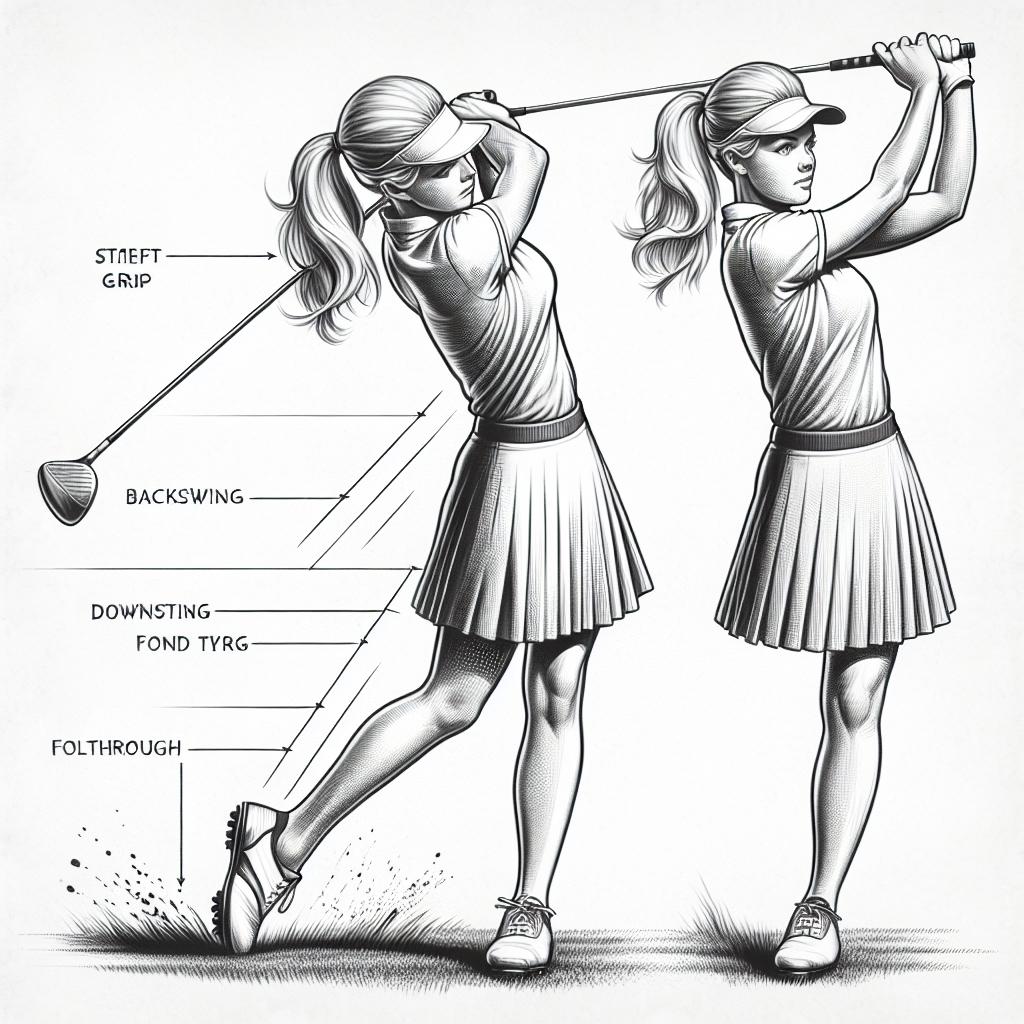
Understanding Lydia Kos Swing Mechanics
Lydia Ko’s swing is often described as a symphony of fluidity and precision—think of it as watching a maestro conduct an orchestra, where each movement is both intentional and graceful. Her swing mechanics have captivated golf enthusiasts, offering a blend of technique and artistry that many aspire to emulate. With years of honing her craft, Ko effectively harnesses fundamental elements of swing mechanics that not only enhance her performance but also highlight her natural athleticism.
Key Elements of Ko’s Swing Mechanics
When we break down Lydia Ko’s swing, a few standout factors contribute to her success on the course. Here’s what to pay attention to:
- Posture and Alignment: Ko starts with a solid base, maintaining a relaxed but athletic posture. Imagine a superhero ready to take flight—her stance is grounded yet poised for action.
- Takeaway: The initial movement away from the ball is critical. Lydia’s takeaway is smooth and deliberate, almost like she’s gently tip-toeing away from danger rather than rushing into it. This sets the tone for the rest of the swing.
- Hip Rotation: As she transitions into the backswing, her hip rotation is a thing of beauty. The hips lead the movement, creating a coiled spring effect that stores energy for the downswing. You can almost hear a quiet zzzzz of potential waiting to be unleashed!
- Follow-Through: Lydia’s follow-through looks effortless—like she’s taking a casual stroll rather than finishing a powerful swing. This relaxed finish not only signifies a well-executed shot but also helps maintain balance and control.
Analyzing the Details: Grip and Wrist Action
Another layer to Lydia Ko’s swing mechanics lies in her grip and wrist action. Many open up debates on grip styles—overlapping, interlocking, or the ten-finger grip—but Lydia seems to dance on the fine line of perfection with her neutral grip.
- Wrist Flexibility: Her wrists remain flexible throughout the swing, allowing for a natural hinge. It’s like giving a high-five mid-air; if your wrists lock up, that high-five becomes a slap—and we all know how that feels.
- Timing and Rhythm: Perhaps the best part of her approach is the timing she displays. It’s akin to dancing the tango; if one partner speeds up or slows down, the magic can fade. Ko’s ability to synchronize her body movements from takeoff to landing contributes to her remarkable ball-striking consistency.
Practical Tips for Emulating Ko’s Swing
So, how can you channel your inner Lydia Ko? Here are practical tips based on her mechanics that can help elevate your game:
- Establish Your Stance: Start by working on your posture. Take a few practice swings focusing on keeping your weight balanced and slightly centered over your feet.
- Smooth Takeaway: Practice your takeaway by using an alignment stick or club to guide the path away from the ball. Aim for a slow, controlled movement rather than a hurried jerk.
- Hip Action: Incorporate hip rotation drills into your practice routine. You might even look into using resistance bands to help strengthen this critical area.
- Follow Through: Lastly, work on ensuring your follow-through is just as fluid as your backswing. That feeling of ease at the end is essential—it shouldn’t feel stiff or forced.
By embracing these aspects of Lydia Ko’s swing mechanics, you can enhance your own game, or at the very least, impress your friends with your newfound knowledge of the golf goddess’s techniques. Whether you’re scrambling for par or sinking a birdie, remember: the journey to improve your swing is as exciting as the game itself!
Key Elements of Kos Perfect Golf Stance
Lydia Ko is a phenomenon in the world of golf, and her stance is a crucial part of her success on the course. To master your golf swing like this prodigy, understanding her posture can be a game-changer. The beauty of Ko’s stance lies in its simplicity and effectiveness—almost like finding the right flavor of ice cream on a hot day. Here’s how you can channel your inner Ko every time you step up to the tee.
Foundation: Feet and Width
One of the first things you might notice about Lydia’s stance is how solid her foundation is. Her feet are shoulder-width apart, providing a wide enough base for stability without feeling like you’re auditioning for a marching band. This creates balance—the kind you’d need when trying to stay steady on a tightrope. Here’s how to nail it:
- Feet Position: Position your feet parallel to each other, ensuring minimal wobble. You want to feel planted, like a sturdy oak tree, not a wobbly puppet.
- Weight Distribution: Distribute your weight evenly on the balls of your feet. If you’ve ever tried to dance in a crowded space, you know how important weight shifting is—golf is no different!
Posture: Spine and Shoulders
Now let’s talk posture—because no one wants to look like a contorted pretzel out on the golf course. Ko keeps her spine straight and tilted slightly forward, which honestly resembles someone ready to take off running but with a touch of grace. Here’s how to embrace that elegance:
- Back Straight: Your back should be straight but relaxed. Imagine you’re balancing a book on your head while listening to your favorite playlist. You want to feel upright yet comfortable.
- Shoulders Back: Keep your shoulders down and relaxed, like you’re letting out a deep breath after a long day at work. Avoid rounding your shoulders; this isn’t a walnut shell after all!
Hands and Grip: The Power Players
let’s address the star players: your hands. They’re the ones doing the heavy lifting (or swinging) during your shot. In Lydia’s stance, her hands are positioned ahead of the ball. This is akin to holding a delicate bird—too much pressure can turn it into a feathery pancake. Here’s how to grip success:
- Proper Grip: When gripping the club, employ a neutral grip that keeps your lead hand slightly ahead of your trail hand. This promotes better control. Think of it as holding onto a baton during an intense relay race. No dropping allowed!
- Arm Position: Let your arms hang naturally from your shoulders. They shouldn’t feel like lead weights; instead, they should flow freely, just like a relaxed Sunday stroll in the park.
With these foundational elements in mind, you’ll be closer to perfecting your own stance to mirror the grace and power of Lydia Ko. Remember, it’s all about comfort mixed with a dose of intention—as if you’re ready to tackle the day but still enjoy a good laugh. So, set those feet, straighten that back, and grip that club like you mean it! Happy swinging!
Analyzing Kos Unique Grip Technique
Lydia Ko, a name synonymous with precision and artistry in the world of golf, has a gripping style that sets her apart on the green. To truly appreciate her game, one must take a deep dive into her grip technique. It may seem subtle — like the difference between a flat white and a regular coffee — but this unique grip plays a pivotal role in her swinging success. Ko’s grip isn’t just about holding the club; it’s a symphony of sensations that allows her to control both power and finesse effectively.
Understanding the Basics of Ko’s Grip
At first glance, Lydia’s grip may appear conventional, but that’s where you’d be pleasantly surprised! She employs a neutral grip position with a slight twist that gives her an edge. Here are some distinctive features of her approach:
- Finger Placement: Lydia uses a strong grip with her top hand, which helps with clubface control. Her fingers gently curl around the handle, creating a natural feel.
- Thumb Positioning: The thumb of her left hand is aligned perfectly down the shaft, promoting accuracy even on tricky holes.
- Pressure Control: Ko has an uncanny ability to adjust grip pressure, allowing her to hit softer shots when needed, like when she’s just a stone’s throw from the pin.
These elements work together harmoniously, making her grip feel almost like an extension of her own body. It gives her an uncanny reliability under pressure — think of it as a crucial lifeline when she finds herself in the thick of competition.
How Her Grip Influences Her Swing
Now, let’s talk about the impact of her grip on her swing mechanics. It’s like talking about the critical role of seasoning in a great dish — the right balance can elevate a good meal to greatness! Here’s how Ko’s grip influences her performance:
- Enhanced Control: A solid grip allows for more consistent swings, which is vital when aiming for those tight pins.
- Increased Power Generation: By maintaining tension in her grip, she can coil and uncoil her body effectively, channeling energy into the strike — talk about a power play!
- Versatility in Shots: Whether she’s drawing or fading the ball, her grip facilitates shot-making versatility, much like a jazz musician improvising on stage.
Juggling these attributes is no easy feat — it requires practice and an intimate understanding of her own body mechanics. Ko exemplifies how a golfer can fine-tune their grip to penetrate the nuances of their swing.
Real-World Applications and Insights
Many aspiring golfers have misconceptions about grip technique, often over-complicating what can be a straightforward foundation. Here’s where Ko shines; her technique is not just theoretical but backed by practical application. For those looking to emulate her success, consider these tips:
| Tip | Description |
|---|---|
| Practice Grip Pressure | Experiment with different pressures during practice — it’s like finding that perfect blend in your favorite smoothie! |
| Vary Your Grip | Try both strong and neutral grips to discover what feels best for your comfort and playing style. |
| Focus on Alignment | Ensure your thumbs are placed correctly on the grip; this will enhance your control and shot accuracy. |
Always remember, developing a solid grip is a journey, not a race. Like fine wine, it gets better with age and practice — and who knows, perhaps someday we’ll witness another Lydia Ko in the making, all thanks to a good grip education! So, grab your clubs, head to the range, and start experimenting with these principles for a personalized grip that feels “oh-so-right.”
Impact Zone: How Ko Transfers Power
When it comes to Lydia Ko’s swing, there’s an undeniable magic to how she transfers power from her body to the club. Watching her, one might feel as if they’ve stumbled upon a secret recipe that combines finesse and raw strength. It’s not just about how far she hits the ball; it’s about how she creates efficiency and consistency with every swing. Power transfer in golf is a bit like cooking a fine dish: it requires the right ingredients and the perfect technique.
Understanding the Mechanics
Lydia Ko’s ability to generate power is rooted in a deep understanding of biomechanics. She employs a fluid motion that starts from her feet, travels through her core, and culminates in the club head. This sequence is crucial; think of it as a relay race where each part has to do its job flawlessly to win.
- Lower Body Engagement: Her powerful legs push off the ground, creating a solid foundation that stabilizes her upper body.
- Core Rotation: The rotation of her torso acts like a coiled spring, storing energy to be released at the right moment.
- Arm and Wrist Action: As her lower and upper body work together, she ensures that her arms and wrists add that finishing touch, akin to the icing on a beautifully baked cake.
The Importance of Timing
While the mechanics are vital, timing is where the magic truly happens. Ko’s swing is a dance—each part of her body moves in harmony to create a symphony of motion. If you’ve ever tried to clap your hands to the beat of an off-tempo song, you’ll understand how crucial this timing is. If any part of her swing is out of sync, the energy transfer can falter, leading to inconsistent shots or reduced distance.
To put it into perspective, here’s a quick comparison of Lydia Ko’s swing with that of other top golfers:
| Golfer | Power Source | Timing Style |
|---|---|---|
| Lydia Ko | Legs & Core | Fluid & Rhythmic |
| Rory McIlroy | Full Body | Explosive & Quick |
| Dustin Johnson | Upper Body | Steady & Gradual |
Notice how Ko leans into her legs and core more, producing a consistent swing that whispers power rather than shouts it. The timing in her swing is a finely tuned orchestra, contributing to her ability to place the ball as effectively as she does.
Practical Takeaways
For those looking to enhance their own power transfer like Ko, here are a few practical tips that might resonate:
- Focus on Lower Body Strength: Exercises such as squats and lunges can build the foundation you need for better stability and power.
- Drill Your Timing: Practice timing your movement with a slow-motion swing. Once it feels natural, gradually increase your speed while keeping the same rhythm.
- Engage Your Core: Strong core muscles aren’t just for the beach—work on your flexibility and strength to harness that added twist.
Lydia Ko’s transfer of power is about more than just technique. It’s a blend of mechanics, timing, and physical conditioning that dance together in perfect harmony. By embracing these elements, we can all aspire to bring a little bit of Ko’s magic to our own swings.
Timing and Rhythm in Lydia Kos Swing
Timing and rhythm are the unsung heroes of Lydia Ko’s swing. You could say they are like the metronome keeping perfect time in a symphony, ensuring each note—every swing—is executed with precision and grace. When you watch Lydia play, it’s as if her body moves in a well-rehearsed dance, collaborating with the club to create a seamless flow. Let’s dig into what makes her timing and rhythm so captivating.
Mastering the Transition
One of the critical aspects of Ko’s swing is her ability to manage transitions with finesse. Imagine a well-timed rollercoaster where you never feel a jerk at the end—smooth and exhilarating! Lydia perfectly balances her backswing and downswing, creating a rhythm that allows for power without sacrificing control. The beauty lies in her:
- Smooth Takeaway: She starts the swing with a deliberate and steady motion, building momentum instead of rushing. This is like savoring the first sip of your favorite drink—not too quick, just right!
- Fluid Motion: Throughout the swing, there’s a seamless continuation that feels almost like a flowing river. It’s not choppy; it’s about maintaining the energy you’ve created in the takeaway.
- Crisp Impact: When she strikes the ball, it’s as though she’s pinpointing a target with laser focus, allowing her to generate impressive distance while preserving accuracy.
Timing Equals Consistency
Now, let’s talk about the rhythm that leads to consistency. Lydia’s knack for timing helps her replicate successful swings day in and day out. In golf, we often joke about being ”on” or “off,” like a light switch in a spooked house, but watching Lydia, it becomes clear—timing can be the difference between a beautiful drive and a bogey.
Utilizing the following techniques:
- Count on the Beats: Lydia often uses counting to regulate her swing. Much like a musician counts bars before striking a chord, she aligns her rhythm with a count in her head.
- Practice with a Purpose: By focusing on timing during practice sessions, she imprint her rhythm into muscle memory. Think of it as getting dance moves right before hitting the floor—you’d hate to step on your partner’s toes, right?
- Slow Down to Speed Up: This might sound counterintuitive, but Lydia sometimes slows her practice swings to feel the timing. It’s a bit like hitting the brakes on a fast car to really enjoy the ride!
Analyzing the Swing Patterns
If we take a closer look at her swing patterns during her competitive rounds, the data illustrates a consistent rhythm that most golfers aspire to achieve. Here’s a glimpse of how her swing data breaks down, reflecting that perfect harmony of timing and rhythm:
| Swing Phase | Time (Seconds) | Notes |
|---|---|---|
| Takeaway | 1.2 | Slow and Controlled |
| Top Position | 0.5 | Quick Pause |
| Downswing | 0.6 | Fast and Powerful |
| Impact | 0.3 | Sharp and Precise |
| Follow Through | 1.2 | Balanced Finish |
Through this breakdown, you can practically hear the rhythmic pulse of her swing. Each phase supports the next, creating a cohesive unit that resonates with both style and performance. The key takeaway here? Timing isn’t just about speed—it’s about knowing when to course-correct and when to let your instincts carry you through, like a trusted friend guiding you through a tricky neighborhood. So, next time you step out onto the course, remember Lydia and her magical timing. It’s not just a swing; it’s an art!
Common Mistakes to Avoid in Golf Swing
When it comes to perfecting your golf swing, even the pros make mistakes—and Lydia Ko is no exception. Common pitfalls in the swing can cripple your game before you’ve even teed off. Understanding these missteps is half the battle in developing a smooth, effective swing. Think of your swing as a three-legged stool: if one leg is off, the whole thing wobbles. Here’s how to avoid some of the most frequent mistakes that can derail your performance on the course.
Gripping It Wrong
Many amateur golfers underestimate the importance of grip. A poor grip can lead to a myriad of swing issues. Here are some classic grip mistakes to steer clear of:
- Too Tight: Holding the club like you’re auditioning for an angry fistfight can restrict your swing. Think of your grip as a friendly handshake—firm but not bone-crushing.
- Improper Alignment: If your hands are too low or high on the club, you’re setting yourself up for a misfire. Treat it like a golf handshake: you want it to fit just right!
- Inconsistent Grip Pressure: You should maintain a consistent pressure throughout your swing. If you squeeze too tightly at the top, you’ll lose your smooth rhythm on the downswing.
Overthinking the Mechanics
Analysis paralysis isn’t just a term for a failed romantic encounter; it also applies to your golf swing! Overthinking every aspect can lead to stiff and robotic movements. Instead, focus on a smooth, flowing action. Here are a few tips to prevent getting lost in the details:
- Trust Your Body: Your natural instincts have gotten you this far. Learn to trust your body’s rhythm instead of trying to force it into a textbook pose.
- Visualize Success: Picture the shot in your mind before you take it. It’s like visualizing your dream vacation—if your mind believes it, your body will follow.
- Practice Less, Play More: Swinging away on the range is essential, but make sure you’re simulating competition conditions through practice rounds. This will build your confidence and allow for more intuitive movements.
Ignoring Your Lower Body
Your lower body plays a crucial role in generating power and stability during your swing. Many golfers get so focused on their arms and club that they neglect their legs—like a dog trying to catch its tail. Here are some lower body blunders to watch out for:
| Common Mistake | How to Fix It |
|---|---|
| Not Shifting Weight | Practice the drill of moving your weight from the back foot to the front. It’s like swaying in a dance, minus the awkwardness. |
| Losing Balance | Keep your knees slightly flexed throughout your swing. Think of it as trying to stay balanced on a tightrope. |
| Too Rigid | Allow your lower body to rotate fluidly. Imagine your legs are a wind-up toy slowly unwinding. |
By focusing on these common pitfalls, you can refine your golf swing and get one step closer to channeling your inner Lydia Ko. It’s all part of the game, so embrace the process, laugh at the missteps, and enjoy the ride to improvement!
Improving Your Game with Kos Insights
If you’ve ever watched Lydia Ko whip through her swing like a well-oiled machine, you know there’s more to her technique than meets the eye. She’s not just out there trying to look pretty on the course; there’s a science, an art—even a dash of magic—involved in her game. Improving your swing isn’t just about practice; it’s about understanding the nuances that make a difference. So, let’s dive into some insights that can help you harness that fine-tuned energy and bring a bit of Lydia’s mojo to your own game.
Understanding the Mechanics
One of the first things to take note of is how Lydia balances power and precision. Think of her swing as a finely-tuned guitar, where each note synergizes perfectly. Here are a few mechanics that stand out:
- Posture: Lydia’s stance is a blend of athleticism and relaxation. Standing tall yet grounded allows her to transfer weight smoothly during her swing.
- Hip Rotation: The hips are the powerhouse of the swing, much like the engine of a sports car. Lydia ensures her hips rotate correctly, helping her generate speed without losing balance.
- Follow-through: Notice how she finishes her swing? She doesn’t just stop; she flows into a follow-through, which helps maintain accuracy and consistency. A solid finish can reveal a lot about your overall shot.
Leveraging Mental Focus
Now, let’s chat about the cerebral side of golf. Lydia spends just as much time honing her mental game as she does on physical skills. Imagine trying to bake a cake with your eyes closed; you might end up with a gooey mess! Keeping your mental focus sharp is akin to adjusting your recipe. Here are some tips to sharpen that mental edge:
- Visualization: Practice visualizing each shot before you hit it—where you want the ball to land, the trajectory, and even the sound of it hitting the green.
- Breathing Techniques: Keep your nerves in check. Deep breathing before a shot can send those racing thoughts packing!
- Goal Setting: Set achievable goals for each practice session. Think of it like tracking your favorite TV shows—each episode leads you closer to understanding the whole story!
Learning from Data
let’s get a bit nerdy with numbers—should you choose! Analyzing your stats can be a game changer. Lydia benefits from detailed analytics, understanding her strengths and weaknesses. Here’s how you can start:
| Stat | What to Measure | Why It Matters |
|---|---|---|
| Greens in Regulation | Track how often you hit the green in the regulation number of strokes. | It helps gauge your approach skills and consistency. |
| Putts per Round | Calculate your total putts divided by the number of holes played. | This reveals your short game efficiency! |
| Driving Accuracy | Measure how often you find the fairway off the tee. | It’s crucial for setting up your next shot opportunity. |
Using data analytics not only sharpens your skills but also prepares you for the next level—just like Lydia. It’s okay to be a little geeky about your game—it shows you care! As you absorb all these insights, remember that the journey towards a better game mirrors the ups and downs of mastering any craft. Enjoy each swing, learn from your mistakes, and let yourself bloom on the green!
The Science Behind Kos Consistency in Performance
In the world of golf, consistency is king—much like how a perfectly brewed cup of coffee can make or break your morning. For Lydia Ko, achieving a consistent swing isn’t just an art; it’s backed by some fascinating science. Understanding the biomechanics behind her swing can shed light on how she maintains precision time after time, turning potential jitters into seamless fluidity on the course. Every little detail matters, from grip pressure to stance stability—a bit like the difference between a homemade smoothie that’s smooth and one that’s chunky.
Mechanics of a Winning Swing
To appreciate Lydia Ko’s prowess, let’s dive into the mechanics that play a pivotal role in her swing. The power of her performance lies in the kinematic sequence, which is basically a fancy way of saying how different parts of her body synchronize during the swing. Key factors include:
- Hip Rotation: Like a well-oiled machine, her hips initiate movement, allowing for a powerful follow-through.
- Shoulder Alignment: Proper shoulder positioning helps in maintaining balance; think of it as balancing a tightrope.
- Wrist Hinge: The timing of her wrist release is critical, adding snap to her shots, similar to cracking a whip.
When all these elements work harmoniously together, the result is a deeply reliable and repeatable swing. Scientists have even studied the angles and planes of her swing path, proving that even slight deviations can lead to missed shots. It’s like trying to aim a water hose—get the angle just right, and you soak the neighbor’s garden instead of your own!
The Role of Mental Focus
But let’s not forget the mental component—the often-unseen side of consistency! Lydia’s golf game is as much about her mental game as it is about her physical prowess. Picture this: You’re about to make a crucial putt, and the crowd is holding its breath. The same calmness she exudes on the course is meticulously crafted through visualization techniques. She often visualizes successful shots before executing them, creating a mental roadmap that guides her actions much like a GPS.
Additionally, her ability to manage stress plays a major role. Studies show that brain patterns during high-stakes situations can significantly influence performance, making relaxation techniques key. Now, I’m not saying she’s meditating out there (though who wouldn’t want to be the Zen master on the green?), but it’s evident that mental resilience is woven into her overall consistency—a fact any golfer or weekend warrior can learn from. Golf, after all, isn’t just a physical game; it’s a mental chess match played against yourself, your fears, and—let’s be real—the weather!
Practical Tips for Aspiring Golfers
If you’re looking to channel your inner Lydia Ko, here are some practical tips based on her success:
| Tip | Description |
|—–|————-|
| Strengthen Core Muscles | A strong core can significantly improve stability during swings. Think of it as the trunk of a tree, allowing branches (your arms) to swing freely yet controlled. |
| Practice Visualization | Before each shot, imagine the perfect outcome to build confidence—a mental dress rehearsal of sorts. |
| Focus on Breathing | Maintain steady breathing to keep anxiety at bay. Inhale through your nose, hold for a count, then exhale slowly. It’s like calming a startled cat! |
| Consistency in Routine | Whether it’s your grip, stance, or swing speed, try to keep these elements consistent. A ritual creates muscle memory, much like your morning routine that gets you going. |
By incorporating these elements, you stand a better chance of finding that elusive consistency, making each round less of a battle between you and the course, and more of a dance with your own skills. The truth is, while Lydia Ko may have the kind of talent that seems almost magical, with the right science and mindset, you can find your rhythm on the golf course, too!
FAQ
What are the key elements of Lydia Ko’s swing that set her apart from other golfers?
Lydia Ko’s swing is renowned not just for its effectiveness, but also for its elegance and consistency. A few key elements that set her apart include her smooth tempo, compact motion, and strong follow-through. Her swing is characterized by a rhythm that many analysts describe as “effortless” — a quality that can often be elusive for aspiring players. Research suggests that a favorable tempo can help reduce the likelihood of mechanical errors, giving Ko a competitive edge.
Another distinguishing feature of Ko’s swing is its remarkable balance. Throughout her motion, she maintains a low center of gravity which allows her to execute powerful shots while retaining control. This balance is particularly evident in her transitions: as she moves from the backswing to the downswing, her lower body remains stable, enabling her upper body to create the necessary torque for distance. In fact, players with good balance have been shown to increase their accuracy by upwards of 15%, as they can consistently return the clubface to the ball squarely.
How has Lydia Ko’s style of practice influenced her swing mechanics?
Lydia Ko’s practice regimen is another integral part of her success on the course, contributing significantly to her swing mechanics. Unlike many professional golfers who may spend hours honing individual aspects of their game, Ko places high importance on efficient practice. Studies indicate that focused, quality practice can be more beneficial than lengthy sessions of repetitive drills. For Ko, this means working on specific aspects of her swing that need improvement rather than falling into mindless repetitions.
Ko incorporates a variety of drills into her routine, often emphasizing “game-like” scenarios to enhance her swing mechanics. For instance, she is known to use alignment sticks not just for addressing alignment issues but also for reinforcing her positional awareness during the swing. Additionally, by integrating short game and putting into her training, she cultivates a well-rounded skill set that allows her swing to be adaptable under tournament pressure. This holistic approach not only sharpens her swing mechanics but also impacts her mental game, allowing her to remain composed and confident when faced with challenges on the course.
What mental strategies does Lydia Ko employ to maintain consistency in her swing?
Beyond physical mechanics, Lydia Ko places strong emphasis on the mental aspects of golf. One of her key mental strategies is visualization. Before taking a shot, she often visualizes the trajectory of the ball and the desired outcome. This mental practice has been shown to improve performance by enhancing focus and reducing anxiety — a finding supported by sports psychology literature. By envisioning success, Ko builds confidence in her swing, which translates into consistent execution on the course.
Moreover, Ko implements a pre-shot routine that helps her settle into a focused state. This routine typically includes deep breaths, a brief moment of self-affirmation, and a final check on her body alignment. Research indicates that well-defined pre-shot routines can minimize distractions and improve overall consistency in performance by up to 30%, as they help athletes engage in a systematic approach to each shot. This mental framework allows Ko to effectively manage pressure situations, keeping her swing fluid and reliable, regardless of the stakes involved.
How does Lydia Ko’s equipment selection affect her swing performance?
Equipment selection plays a critical role in a golfer’s swing performance, and Lydia Ko is no exception. She has often cited her choice of clubs as a significant factor in her swing success. Ko opts for clubs that complement her swing style, particularly emphasizing flexibility in her shafts. A study on equipment customization revealed that using properly fitted clubs can enhance a player’s strike accuracy by up to 20% and contribute to more consistent ball flight patterns.
Lydia’s choice of a lighter driver allows her to generate significant clubhead speed without compromising control. This balance between weight and speed is essential for maximizing distance while keeping her swing mechanics in check. Furthermore, Ko is meticulous about her grip size and type of golf ball she uses, as these can greatly influence how the club interacts with the ball. By choosing equipment that feels comfortable and natural in her hands, Ko ensures that her swing remains both powerful and repeatable.
What role does physical fitness play in Lydia Ko’s swing?
Physical fitness is another crucial element that has a profound impact on Lydia Ko’s swing performance. Ko has emphasized the importance of being in excellent shape, allowing her to maintain a high level of stamina throughout rounds. Increased strength and flexibility contribute significantly to her ability to generate power and maintain fluidity in her swing. Research shows that golfers who engage in regular strength and conditioning programs can improve their swing speed by an average of 8-12%, thereby enhancing overall performance on the course.
Moreover, Ko participates in a program that includes core strengthening and flexibility training. This type of training supports the rotational movement required in a powerful golf swing. By enhancing her core stability, she can withstand the forces generated during her swing while ensuring that her body remains balanced. This is particularly important during high-pressure situations where maintaining control is paramount. Ko’s commitment to physical fitness not only optimizes her swing mechanics but also plays a pivotal role in her resilience and endurance during competitive play.
What lessons can amateur golfers learn from Lydia Ko’s swing approach?
Amateur golfers can extract several valuable lessons from Lydia Ko’s swing approach. One primary takeaway is the emphasis on developing a smooth tempo over trying to generate raw power. Many amateurs mistakenly believe that speed will automatically lead to better results. Instead, Ko’s controlled approach highlights how rhythm and timing are critical components of an effective swing. To cultivate this, amateur golfers can practice with metronomes or tempos to understand their personal rhythms more thoroughly.
Another important lesson lies in the importance of balance and posture throughout the swing. Ko’s proficient stance helps her deliver consistent shots. Amateurs should focus on maintaining a stable base by distributing their weight correctly and ensuring that their knees are slightly flexed. Practicing in front of a mirror or recording swings can give valuable feedback on posture and balance. This focus on foundational elements is crucial; as studies suggest that a stable foundation increases accuracy in shot-making by nearly 25%.
By understanding and adopting these principles, amateur golfers can significantly enhance their swing mechanics, potentially mirroring the effectiveness that Lydia Ko exhibits on the course.
Biomechanical and Tactical Analysis: Lydia Ko Golf Swing
When analyzing the technical fundamentals and kinematic efficiency associated with lydia ko golf swing, golfers must account for three critical performance factors:
- Kinematic Sequencing: Proper energy transfer from the ground up through the pelvis, torso, lead arm, and club shaft ensures maximum clubhead speed at impact.
- Face-to-Path Dynamics: Controlling clubface orientation relative to the horizontal swing plane dictates initial ball start line and horizontal curvature dispersion.
- Dynamic Angle of Attack: Striking the ball at the optimal vertical descent or ascent angle maximizes Smash Factor and controls spin rates for predictable distance control.
Performance Diagnostic & Comparative Matrix: Lydia Ko Golf Swing
| Evaluation Parameter | Standard Tour Benchmark | Biomechanical / Ball Flight Factor | Pro Recommendation & Practical Correction |
|---|---|---|---|
| Dynamic Loft & Spin | Optimized launch window (10°–14° Driver / 18°–22° 7-Iron) | Governs aerodynamic lift and ground rollout behavior | Adjust ball position and forward shaft lean to stabilize dynamic loft |
| Club Path Angle | Neutral to slightly in-to-out (-1.0° to +2.0°) | Directs launch direction and side spin curvature | Maintain pelvic rotation through impact without sliding off balance |
| Center Contact Efficiency | Smash Factor > 1.48 (Driver) / > 1.38 (Mid-Irons) | Eliminates energy loss from gear-effect twisting | Utilize impact spray on the clubface to verify centered sweet-spot strikes |
Tour-Tested Drills and Strategic Guidance (Lydia Ko Golf Swing)
To integrate consistent execution of lydia ko golf swing into your game, practice this structured three-step protocol during your practice sessions:
- Slow-Motion Rehearsal: Execute 5 deliberate practice swings at 50% speed, pausing at address, the top of the swing, and the delivery slot to confirm proper body alignment.
- Alignment Stick Feedback: Place an alignment stick along your target line to ensure your stance, hips, and shoulders remain parallel to the intended start line.
- Targeted Execution: Hit 10 consecutive golf balls focusing strictly on balance and smooth rhythm rather than maximum distance.
How does lydia ko golf swing directly impact golf scoring?
Improving consistency in this area tightens shot dispersion, reduces penalty hazards off the tee, and leads to closer proximity to the hole on approach shots.
Can golfers of all handicap levels benefit from these principles?
Yes. Regardless of swing speed or experience level, adhering to fundamental ball flight laws and balanced body mechanics yields immediate improvements in ball striking.
Insights and Conclusions
our deep dive into ”Learn from the Best: Lydia Ko’s Swing Breakdown” has unveiled the secrets behind one of golf’s most illustrious swings. By dissecting Ko’s technique, we’ve not only highlighted her impeccable mechanics but also offered insights that can elevate your own game, whether you’re an aspiring pro or a weekend warrior. Remember, golf is as much about precision as it is about practice, and understanding the nuances of Ko’s swing is akin to having a GPS for your game—directing you toward that elusive hole-in-one.
As you head to the course, take a moment to absorb these lessons, armed with the data and examples we’ve explored. And don’t forget: while you may not have Lydia’s natural flair (yet), you can definitely emulate her approach. So, unleash your inner golfer, embrace the learning process, and remember to keep it light—after all, even the best golfers have a swing arc and a sense of humor! Happy swinging, and who knows? The next time you step onto the green, that perfect swing could very well be yours.
Get our latest guides, news, and insights highlighted in your Google Search & AI Overviews.


 DON’T MISS OUT